
How to see what the AI really did
Dr. Aaron Hutzler · 09 September 2026 · 5 min

Three free skills each give an AI one rule it keeps with every answer. Rule one demands a source for every number. Rule two checks a document against the original rather than against memory. Rule three demands a report of what was actually touched. Every answer then ends with a fixed block. Instead of checking everything by hand, you read that block.
1. Four situations you know
Monday, after a two hour meeting. You drop the transcript into the AI and ask for a summary. What comes back reads clean. You send it round. On Wednesday a colleague asks about the two points the whole meeting turned on. They are not in there. They were in the transcript all along and the summary carries no hint at the gap. You read the summary once more and find no trace of them.
Tuesday. Five files and a clear instruction. After a while comes the report: all done. You believe it at first and later you look anyway. One file is edited. The other four are untouched. The sentence all done looked exactly like it did on every other day.
Wednesday evening, a long session of ideas. Much of it is good. At the end you ask for the collected list and half of the ideas from that evening are gone. You scroll the whole session back and gather the points by hand. This scrolling is not what you got the AI for.
Thursday, figures for the management meeting. The AI writes of twelve percent growth against the quarter before. The paragraph goes out that way. Two weeks later someone asks where those twelve percent came from. Nowhere in your file do they appear.
2. What all four have in common
Every time you get a result. Not once do you get the work behind it. The answer names no file, no list and no origin. So the only thing left to you is checking by hand. That is exactly the work the AI was supposed to take off you. That is the real annoyance and it does not sit with the mistake itself, but with having no way at all to spot it.
Worse, a wrong answer and a covered answer look the same. Both have whole sentences and both sound equally certain. Nothing in the wording tells them apart. That is why the gap surfaces days later in front of other people.
3. Three rules that make the work visible
Three free skills start exactly here. Each gives the AI a single rule to keep. Each demands a piece of output for you to look at afterwards.
The first skill is called source-required. Every number and every factual statement gets a mark: measured with a named source, judgement with a named basis, or unverified. Those twelve percent without a file would sit there marked as unverified.

Figure 1: A number without a named origin is a prediction, not information.
Image generated by AI
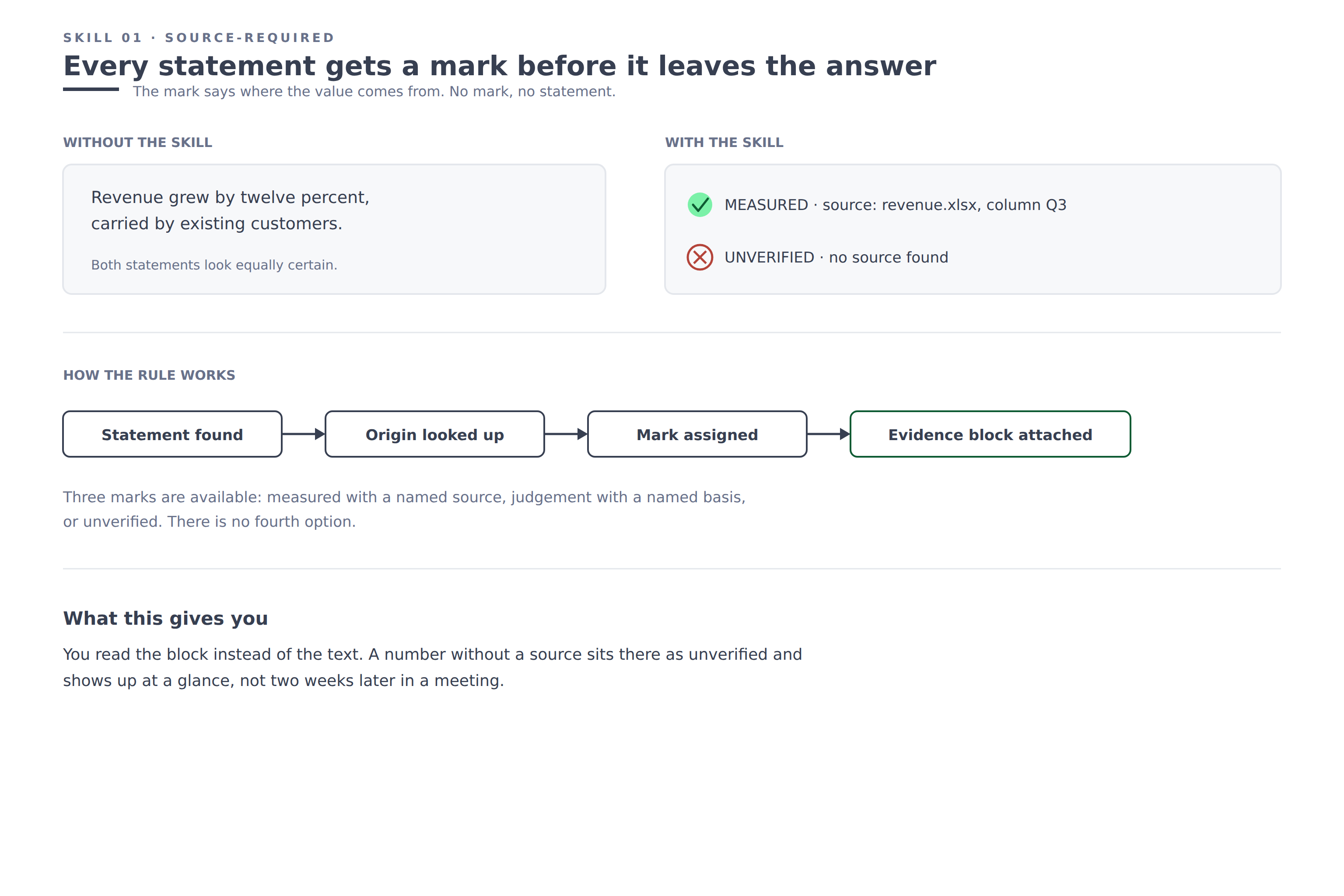
Figure 2: The path from a statement to the evidence block.
Figure 1 catches how a number like that comes about. Figure 2 shows the four steps of this rule and the three marks it can choose from.
The second skill is called nothing-missed and reverses the order of work. First the AI pulls the points out of the original and writes them down as a list. Then it writes the text against that list. At the end the comparison sits beside the text, point by point. The two points from the meeting would have stood out in it.

Figure 3: Neatly presented and almost everything is still missing.
Image generated by AI
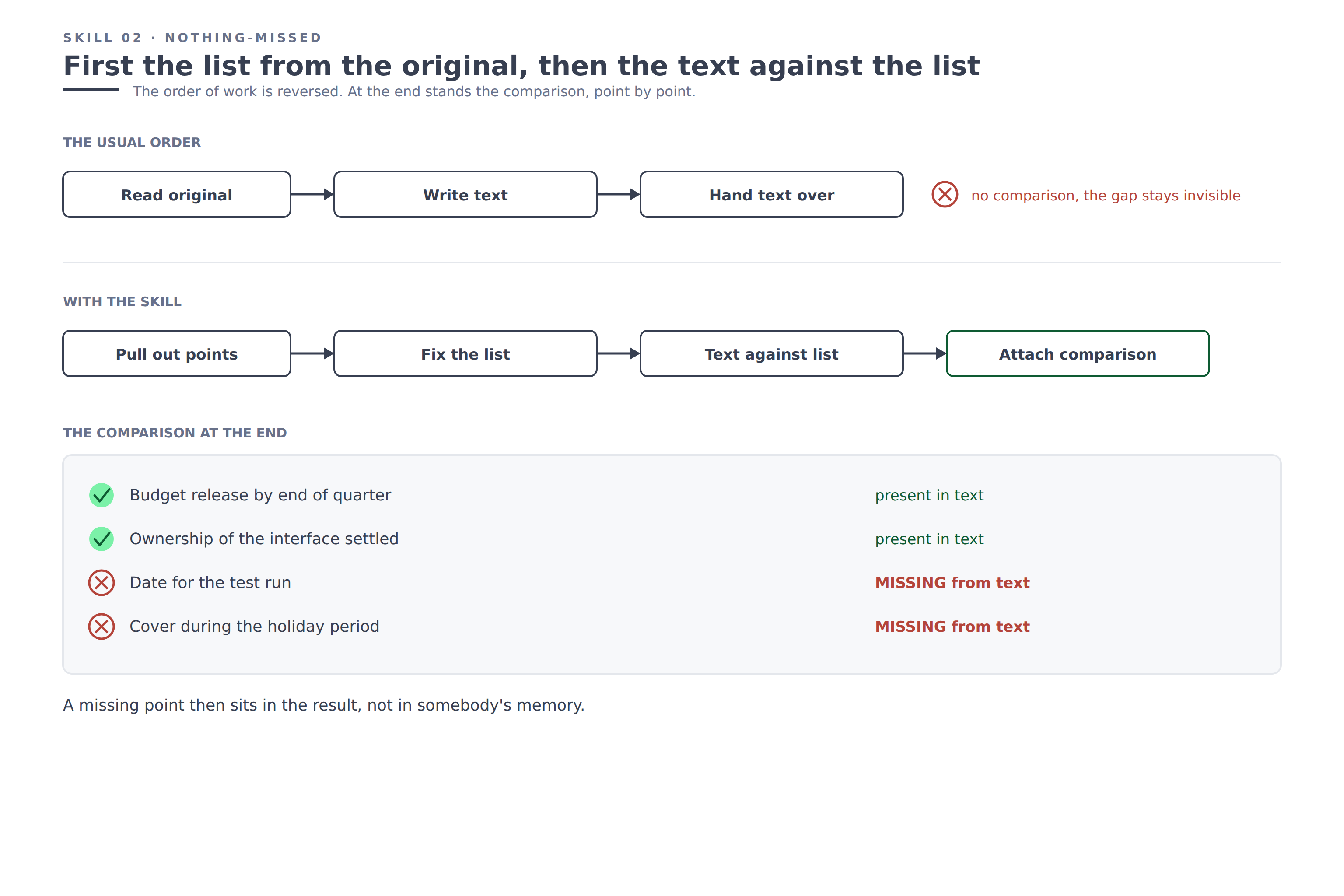
Figure 4: The list comes before the text, the comparison sits beside it at the end.
Figure 3 shows how neatly an incomplete piece of work can be presented. Figure 4 puts both orders one under the other, together with the comparison and two missing points.
The third skill is called show-your-work. At every garage you get a sheet on collection about what was done. This rule demands the same sheet from the AI. Every file it touched is named. Every step is named. One edited file out of five would have been visible at once.

Figure 5: A thumbs up is no account of the work that was done.
Image generated by AI
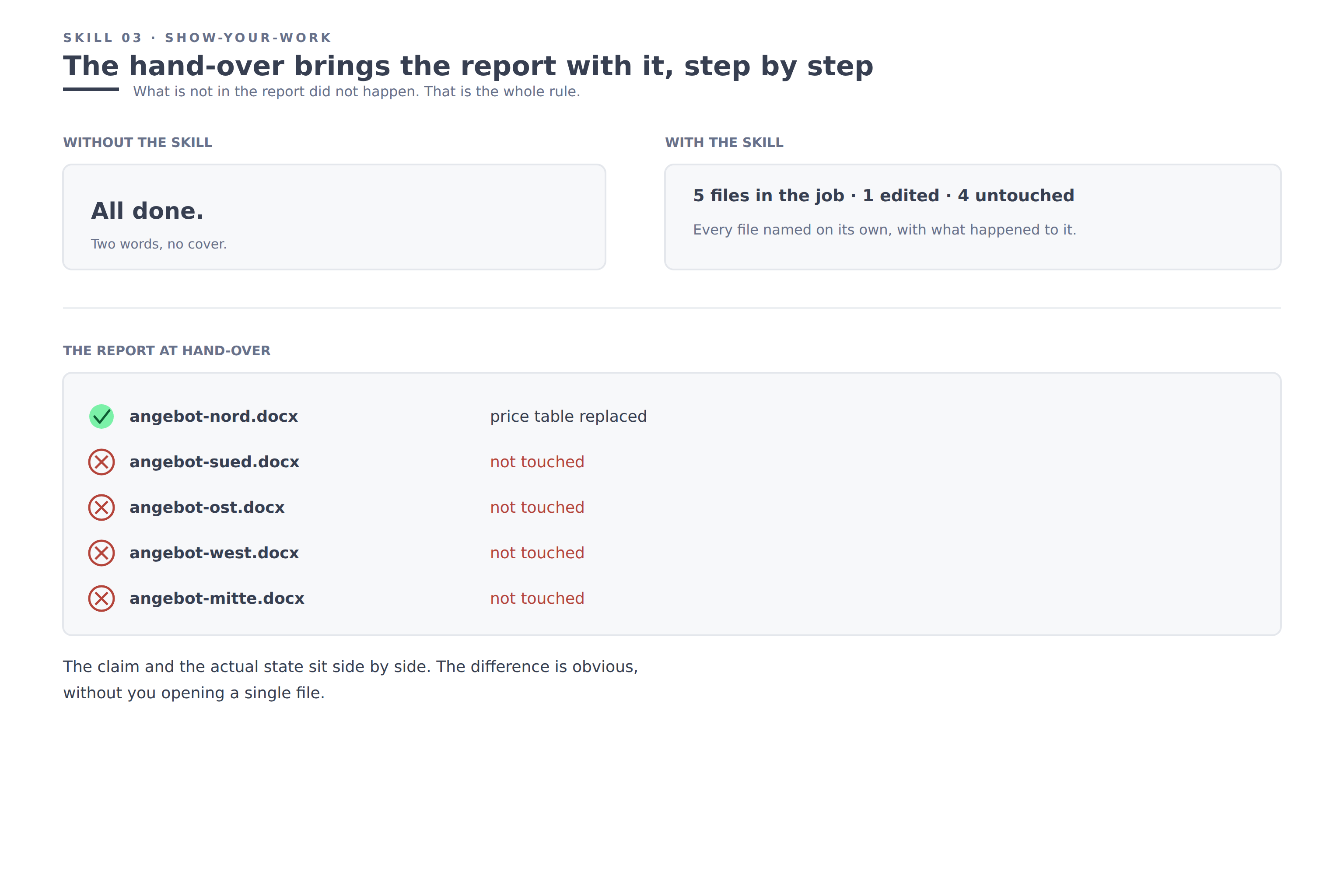
Figure 6: The claim and the report on every single file side by side.
Figure 5 shows the gesture in question. Figure 6 sets the short claim next to the report that names each of the five files.
A skill is a rule inside the context of the AI. That makes it a request and not a barrier. Stopping an answer is beyond it. What it delivers is one thing: the work arrives with the result. Whether the report is true stays yours to check. None of the three pages claims a measured effect.
4. What to do on Monday morning
Take the kind of answer you pass on most often. Ask three things about the last one of that kind. Did every number have a source behind it? Were all of your points in there? Could you name the files that were really touched? Every no points at one of the three rules.
Betteryields
Check AI answers against your own documents, with a source for every figure